
Scleral Contact Lenses
Custom lenses that restore comfort and vision for those who haven't found relief with standard contacts.
Quick guidance
- Keratoconus or irregular cornea
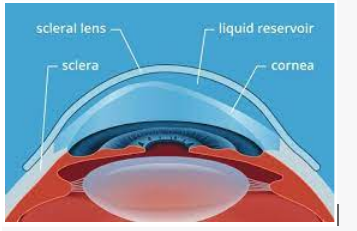
- Scleral lenses vault over the cornea, creating a smooth optical surface for clearer vision and improved comfort.
- Severe dry eye
- The liquid reservoir between the lens and cornea acts as a protective barrier that helps lock moisture in.
- Post-surgery or corneal scarring
- Scleral lenses compensate for corneal irregularities caused by injury, infection, transplant, or other surgical changes.
What are scleral contact lenses?
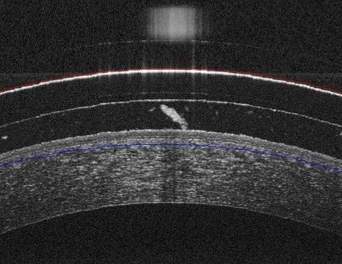
Scleral contact lenses are a specialized type of contact lens that is larger than traditional lenses and designed to rest on the white part of the eye (the sclera), rather than directly on the cornea. These lenses create a cushioning effect and provide a smooth optical surface, making them ideal for individuals with various eye conditions that prevent standard contact lenses from being comfortable or optically effective.
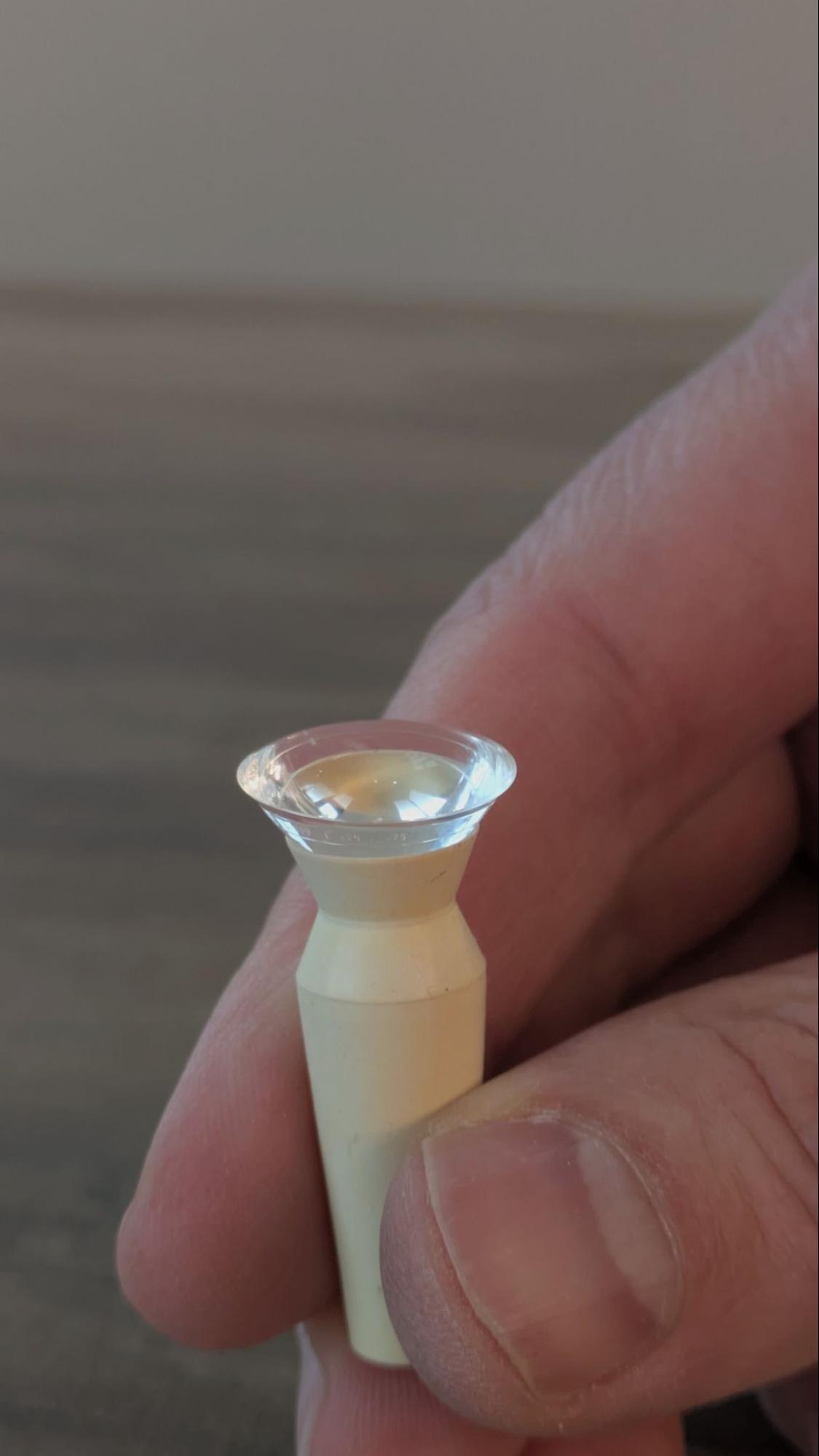
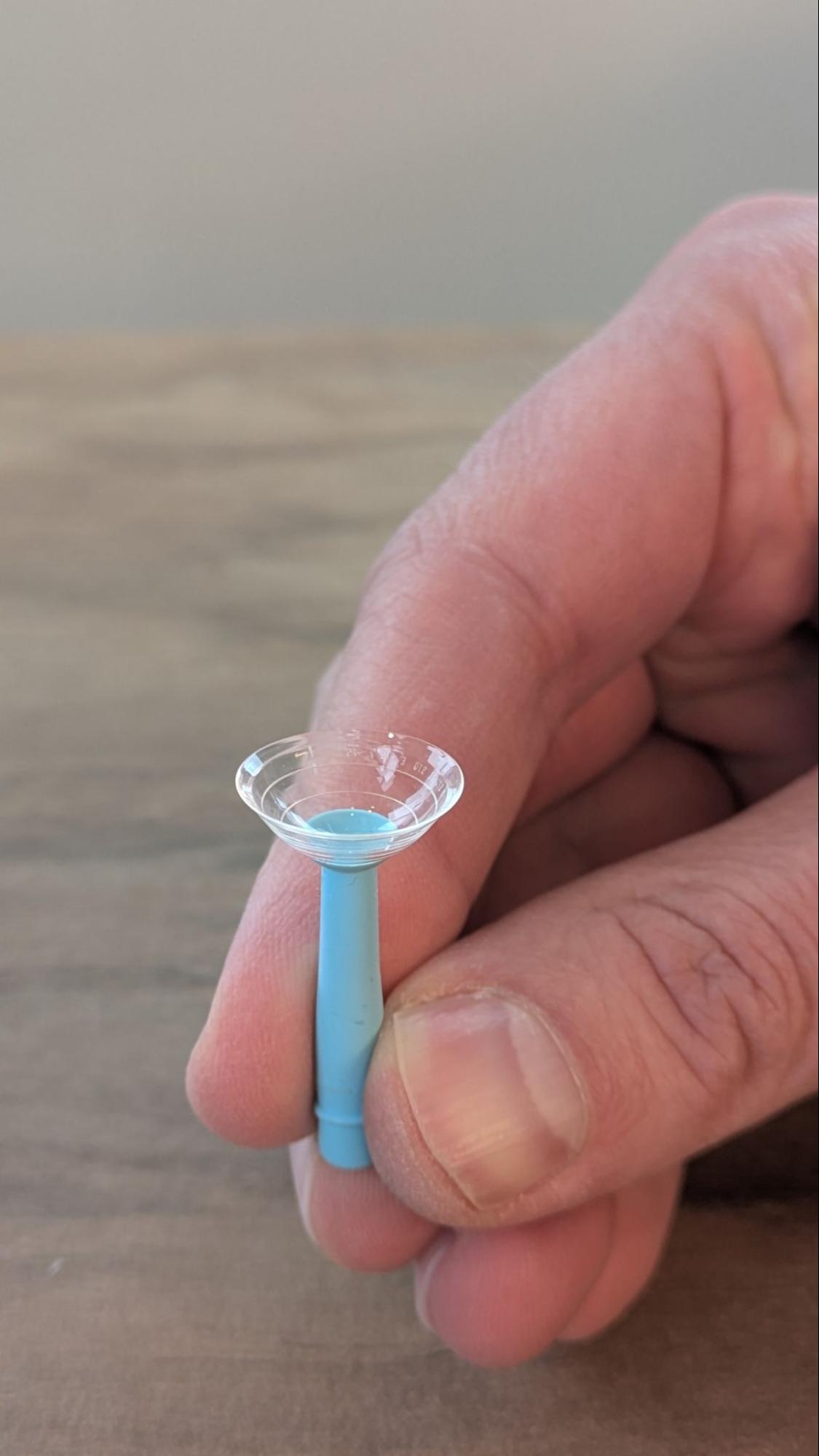
Made from highly durable and breathable materials, scleral lenses are often custom-designed for patients to ensure an optimised fit. Because of their larger size, they are able to vault over irregularities in the cornea, such as scarring, keratoconus, or post-surgical changes, offering patients improved comfort and vision clarity.
Uses for scleral lenses
Scleral lenses can be a transformative solution for people with a variety of eye conditions. Some of the most common uses, for which we have had good success fitting, include:
- Keratoconus: For individuals with keratoconus, a condition where the cornea becomes thin and bulges outwards, scleral lenses help to create a smooth surface, improving vision and comfort by preventing the lens from touching the irregularly shaped cornea.
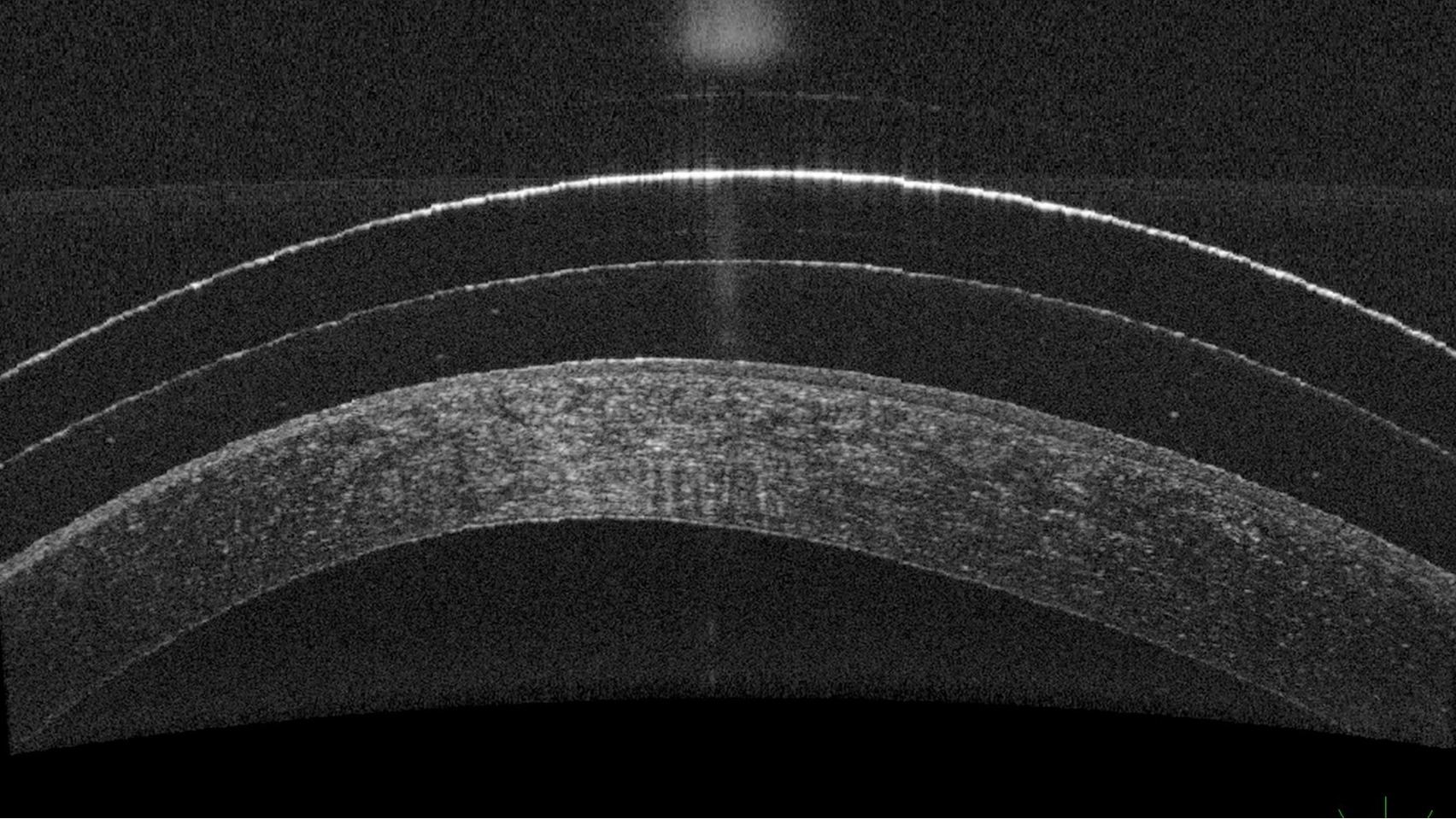
- Corneal scarring, irregularities, or post-surgery/transplant: Whether due to injury, infection, or other causes, corneal scarring can significantly affect vision. Scleral lenses will provide a smooth optical surface that compensates for these irregularities, allowing for clearer vision and increased comfort.
- Corneal Dystrophies (e.g. Granular Dystrophy): Scleral lenses are highly beneficial for individuals with corneal dystrophies, such as granular dystrophy, where the cornea develops abnormal deposits or opacities.
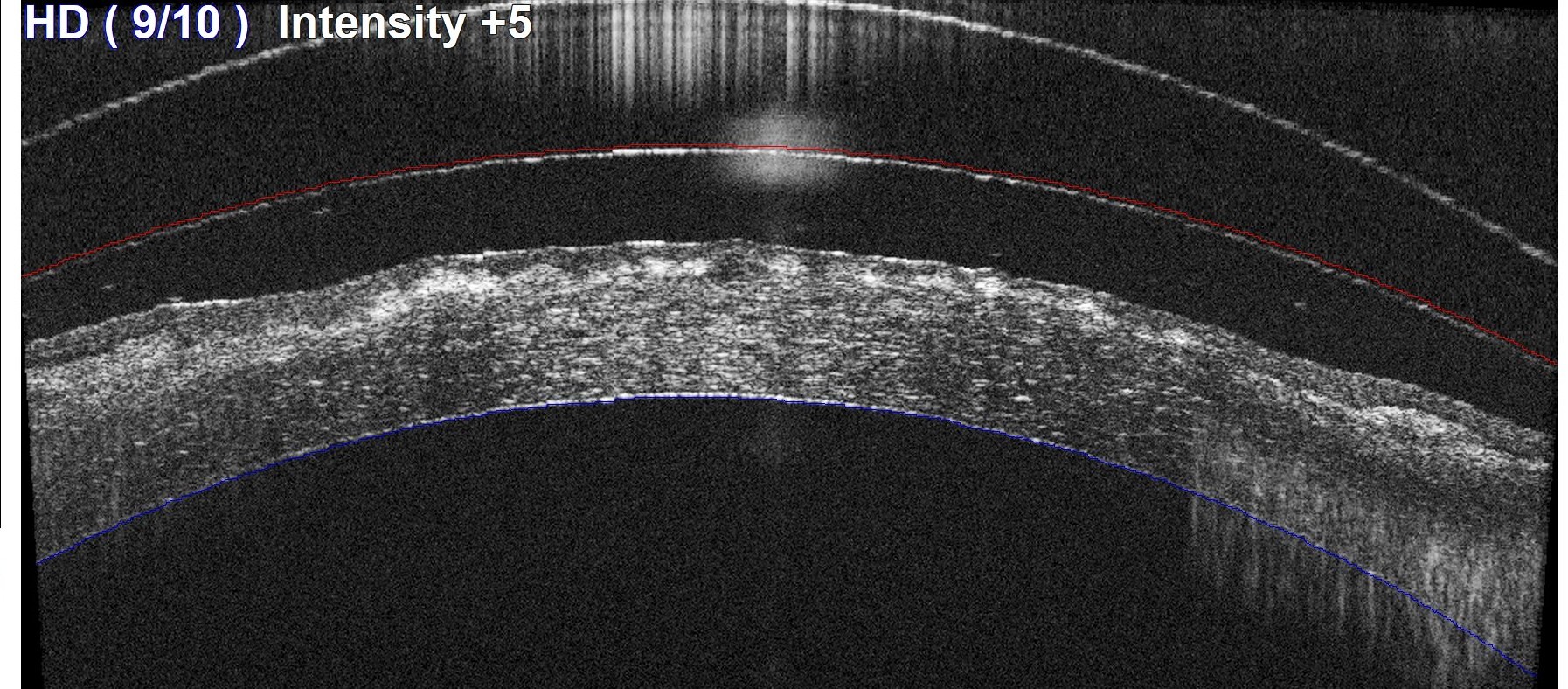
- High Astigmatism/High Refractive Error: Scleral lenses are a good option for patients with high ametropia, and may provide superior comfort than traditional rigid gas permeable lenses.
- Dry Eye Syndrome (e.g. Filamentary Keratitis): Scleral lenses provide a unique benefit for those suffering from severe dry eye, as they create a liquid reservoir between the lens and the cornea. This acts as a protective barrier that helps to lock moisture in, reducing irritation and discomfort.
What you can expect at Spadina Optometry
At the end of the examination, involving assessment of corneal topography, we will choose the best solution for your eyes.
As a Teaching Site affiliated with the University of Waterloo School of Optometry and Vision Science, our optometrists will work together with our intern in optimising your fit, and will remain attentive to any questions or concerns that may arise throughout the fitting process (typically involving 3 to 6 visits).
If you have any questions regarding scleral lenses, or concerning referrals, please send us an email!
Scleral lens fitting fee
$750
Includes all follow-up visits required to optimise the fit. The process typically involves 3 to 6 appointments.
See eye exam prices and insurance and pricing FAQ for details.
What to do next
If you are considering scleral lenses, book an appointment and let us know your concerns. We will assess your corneal topography and determine the best solution for your eyes.
For a detailed overview of conditions treated and the fitting process, see Scleral lenses for keratoconus and irregular corneas — FAQ.
Ready When You Are
We know life is busy. That's why we make it easy to get expert care — right here in the heart of downtown Toronto. Flexible appointments. Friendly team. No stress.