
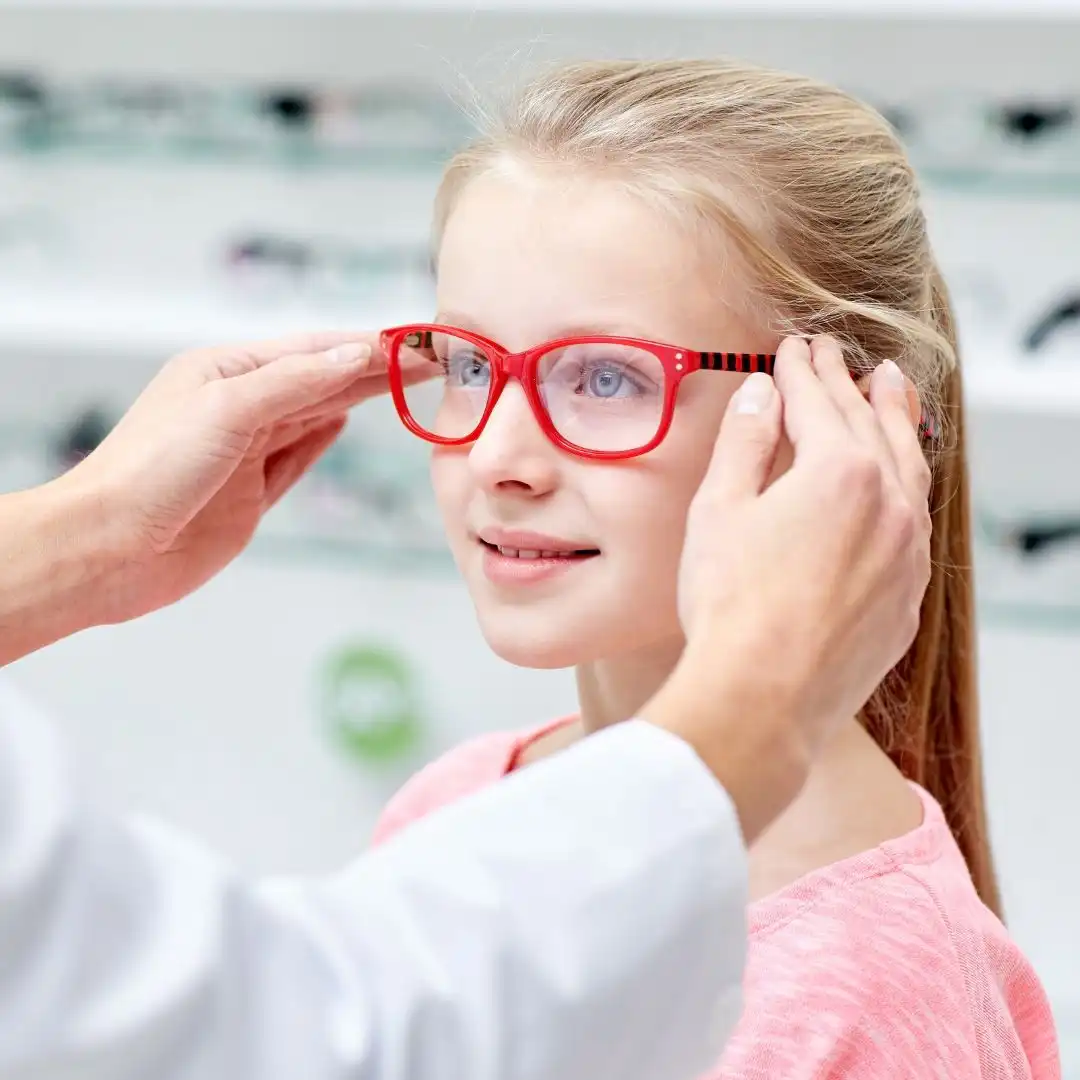
What is included
- Personalized consultation with an optometrist
- Assessment of visual acuity and eye health
- Axial length measurement
- Prescription updates for glasses and contacts **
- OCT, retinal imaging and visual field screening **
- Referral for medical or surgical care if needed
** Tests are performed when clinically indicated.
Preparing for your child's exam
A little prep makes the visit easier, especially for younger kids. We will guide the exam based on your child's age and what they can comfortably do.
- Bring: any glasses, contact lenses (if worn), and your child's health card.
- Medications and history: a list of medications and any known eye conditions in the family.
- School concerns: if a teacher has noted headaches, squinting, or reading difficulties, bring those details.
- Comfort: a small snack or water can help for longer visits.
- If dilation is recommended: vision may be blurry for a few hours. Consider sunglasses and avoid scheduling a demanding activity immediately afterward.
If you are booking because of rapid myopia progression, ask about myopia control.
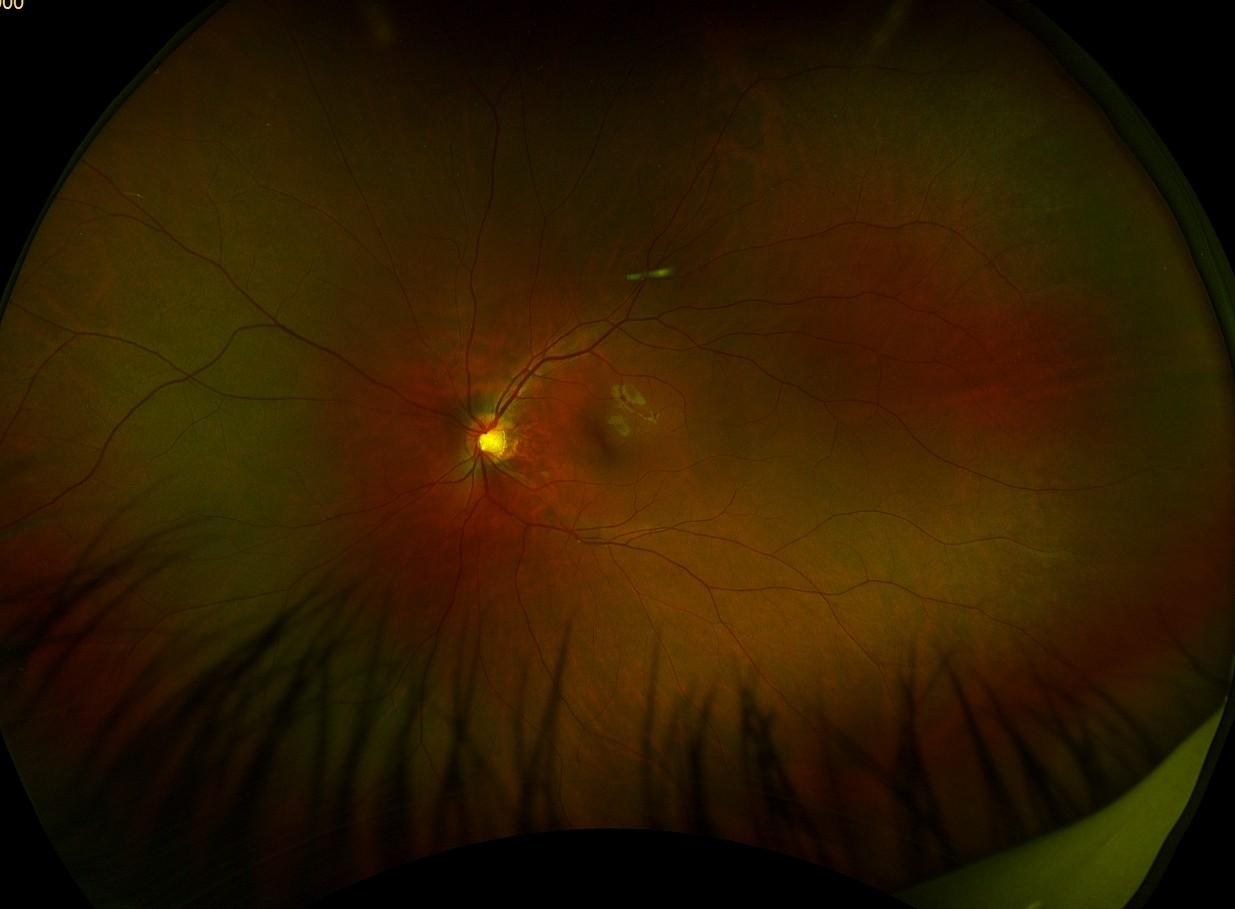
Retinal Photos
Optomap retinal imaging allows us to document the retina with a digital photograph showing up to 80% of your child's retina.
Axial Length
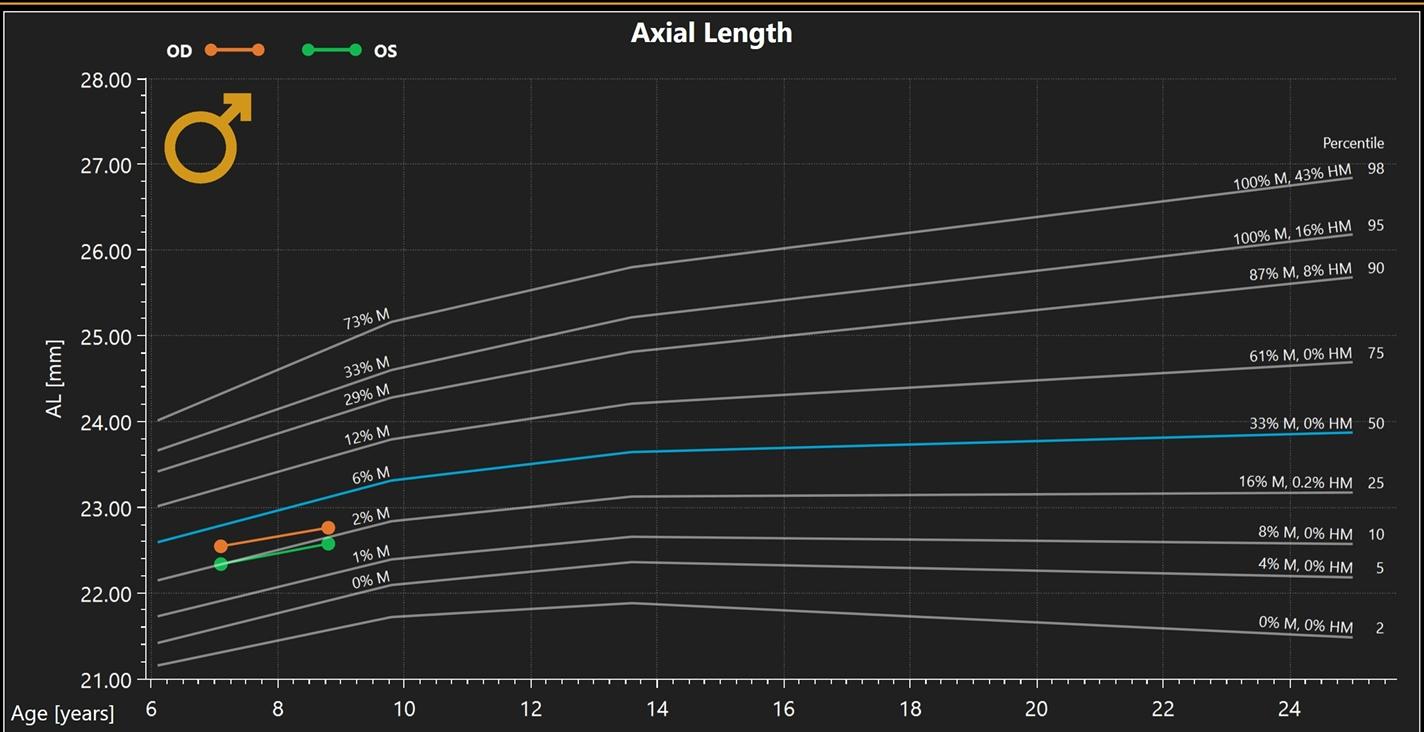
Myopia (nearsightedness) occurs when the eye grows longer faster than it should for your age. Measuring the length of eyes (axial length) tells us:
- Risk of myopia onset (if not yet myopic)
- Rate of myopia progression
- Risk of high myopia (greater than -6D)
- How well our myopia control strategy is working (if applicable)
Corneal Mapping
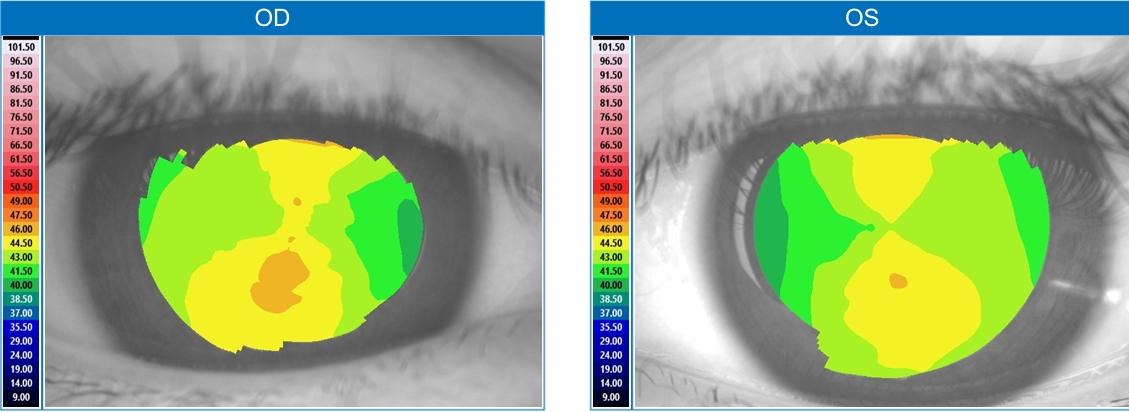
Keratoconus occurs when the cornea (front surface of the eye) develops an irregular, bulging shape, which is worsened by eye rubbing. It can lead to irregular high astigmatism, and irreversible vision loss. Topography maps out the cornea to show us possible weak or bulging areas, as well as eyes that will retain regular astigmatism.
Suggested Ages for Eye Examinations
| Infants and Toddlers (Birth to 24 months) | Infants and toddlers should undergo their first eye examination between the ages of 6 and 9 months |
|---|---|
| Preschool Children (2 to 4 years) | Preschool children should undergo at least one eye examination between the ages of 2 and 4 years |
| School Age Children (5 to 19 years) | School children aged 5 to 19 years should undergo an eye examination annually |
What to do next
If your child is due for an exam or you have concerns about vision, the next step is to book a children's eye exam. For questions about OHIP eligibility and coverage, review the OHIP FAQ before booking.
If your child has sudden vision changes, eye pain, or a new injury, contact our office directly.